An evidence-based guide covering diet, lifestyle, exercise, key nutrients, and supplementation strategies that men can use to protect and strengthen prostate health at any age.
The prostate gland is a small but mighty organ β roughly the size of a walnut β that sits just below the bladder and surrounds the urethra. Its primary role is to produce seminal fluid that nourishes and transports sperm. Despite its small size, this gland has an outsized influence on a man's quality of life, especially as he ages.
Statistics paint a stark picture: by age 50, more than 50% of men show signs of benign prostatic hyperplasia (BPH) β an enlargement of the prostate gland. By age 80, this number climbs to nearly 90%. BPH isn't cancer, but it can significantly disrupt daily life, causing weak urinary stream, frequent nighttime trips to the bathroom, incomplete bladder emptying, and reduced sleep quality.
The good news is that a growing body of scientific research confirms that prostate health is not entirely at the mercy of genetics and aging. The lifestyle choices you make β including what you eat, how often you exercise, how you manage stress, and which nutrients you prioritize β can have a meaningful impact on how your prostate ages and functions.
This guide brings together the best evidence-based strategies for supporting prostate health naturally. Whether you are in your 30s and looking to build long-term health habits, in your 50s managing the first signs of prostate changes, or simply trying to feel your best, these insights are designed to give you practical, actionable knowledge.
What you eat is one of the most powerful levers you can pull for prostate health. Research from institutions like Johns Hopkins, Harvard Medical School, and the Mayo Clinic consistently highlights the importance of a plant-forward, anti-inflammatory diet. Here are the top food categories that have the strongest scientific backing for prostate support.
Tomatoes, watermelon, papaya, and pink grapefruit are rich in lycopene, a potent antioxidant that has been shown to reduce the risk of prostate-related issues. Research published in Nutrition and Cancer identified lycopene as one of the most beneficial antioxidants for prostate health. Cooking tomatoes actually increases lycopene bioavailability, so tomato sauce and paste are excellent choices.
Broccoli, cauliflower, Brussels sprouts, and kale contain sulforaphane and indole-3-carbinol, compounds that support healthy cellular function in the prostate. Population studies suggest that men who consume more cruciferous vegetables have a meaningfully lower risk of developing prostate issues over time. Aim for at least 3β5 servings per week for best results.
Salmon, mackerel, sardines, and herring are excellent sources of omega-3 fatty acids, which have well-documented anti-inflammatory properties. Chronic inflammation is closely linked to prostate enlargement and discomfort. Consuming fatty fish 2β3 times per week can help modulate inflammatory pathways and support a healthy inflammatory response in prostate tissue.
Green tea is packed with catechins β particularly epigallocatechin gallate (EGCG) β which are powerful antioxidants shown in multiple studies to protect prostate cells from oxidative damage. Regular green tea consumption is associated with better PSA levels and a lower incidence of prostate problems in populations with high consumption, such as Japan. Aim for 2β3 cups daily.
Avocados, walnuts, almonds, and pumpkin seeds provide a combination of healthy monounsaturated fats, vitamin E, and zinc β all important for prostate function. Pumpkin seeds in particular have been used traditionally for urinary and prostate support and contain compounds that may help inhibit DHT activity, a hormone linked to prostate enlargement.
Blueberries, strawberries, pomegranates, and raspberries are loaded with polyphenols, flavonoids, and vitamins C and E that help neutralize free radicals that can damage prostate cells. Pomegranate extract in particular has shown promising results in research related to PSA stability and overall prostate cellular health.
Flaxseed is an excellent source of lignans β plant compounds with estrogen-modulating effects that may help balance sex hormones affecting the prostate. It is also a good source of plant-based omega-3 (ALA) and fiber, both beneficial for overall hormonal health. Ground flaxseed is more bioavailable than whole seeds; adding 1β2 tablespoons to smoothies or yogurt is an easy way to incorporate it daily.
Beans, lentils, chickpeas, tofu, and edamame contain phytoestrogens that may help regulate hormonal balance and support prostate tissue health. Population studies in Asia, where soy intake is significantly higher than in Western countries, show notably lower rates of prostate-related issues. Moderate, regular consumption appears to be most beneficial.
| Food Category | Examples | Effect on Prostate | Recommendation |
|---|---|---|---|
| Lycopene Foods | Tomatoes, watermelon, papaya | Antioxidant; may reduce prostate cancer risk | Include Daily |
| Cruciferous Vegetables | Broccoli, kale, cauliflower | Sulforaphane supports cellular health | 3β5 servings/week |
| Fatty Fish | Salmon, sardines, mackerel | Omega-3s reduce inflammation | 2β3 times/week |
| Green Tea | Matcha, Sencha | EGCG protects prostate cells | 2β3 cups/day |
| Pumpkin Seeds | Raw or lightly roasted | Zinc; may inhibit DHT | Small handful daily |
| Red & Processed Meat | Sausage, bacon, charred beef | Saturated fat & carcinogens increase risk | Limit or Avoid |
| Dairy (High-Fat) | Full-fat cheese, butter, cream | Saturated fat linked to prostate growth | Reduce Intake |
| Alcohol | Beer, spirits | May worsen BPH symptoms | Moderate Strictly |
| Refined Carbohydrates | White bread, pastries, sugar | Promotes inflammation and insulin spikes | Replace with Whole Grains |
| Caffeinated Beverages | Coffee, energy drinks | May irritate bladder and worsen urinary symptoms | Limit if symptomatic |
Regular physical activity is one of the most consistently supported interventions for prostate health across scientific literature. Exercise reduces inflammation, balances hormones, supports healthy weight, and directly improves urinary symptoms in men with BPH.
Studies show that men who engage in at least 150 minutes of moderate aerobic exercise per week β such as brisk walking, cycling, or swimming β have significantly lower rates of BPH symptoms compared to sedentary men. Exercise reduces systemic inflammation, lowers insulin levels (which can drive prostate growth), and helps maintain a healthy body weight β all critical factors in prostate wellness. Even 30 minutes of walking most days can make a noticeable difference over time.
Strength training helps maintain testosterone levels and lean muscle mass, both of which decline with age and can negatively affect hormonal balance. While excessive high-intensity resistance exercise can temporarily raise DHT (a testosterone byproduct linked to prostate enlargement), moderate, well-balanced strength training done 2β3 times per week is broadly beneficial. Focus on compound movements like squats, deadlifts, and rows for maximum hormonal and metabolic benefit.
Kegel exercises β contracting and relaxing the pelvic floor muscles β are especially beneficial for men experiencing urinary leakage, weak stream, or post-void dribbling. These exercises strengthen the muscles that control urinary flow and can meaningfully improve urinary control, reduce urgency, and enhance overall pelvic function. Practice 3 sets of 10β15 contractions daily, holding each contraction for 3β5 seconds. Results typically become noticeable within 4β6 weeks of consistent practice.
For men with joint issues or discomfort, low-impact exercise like swimming, water aerobics, or tai chi provides excellent cardiovascular benefits without stress on the joints. Tai chi and yoga additionally reduce cortisol levels, improve pelvic circulation, and have shown benefits for lower urinary tract symptoms in small clinical studies. These practices also incorporate mindfulness and breathing techniques that support parasympathetic nervous system activity β important for healthy bladder control.
Excess body fat β particularly visceral (abdominal) fat β is directly associated with increased estrogen levels, systemic inflammation, and a higher risk of BPH and prostate issues. Each unit decrease in BMI is associated with meaningful improvements in urinary symptom scores. Maintaining a healthy body weight through a combination of diet and regular exercise is one of the most impactful things a man can do for long-term prostate health. Even a 10% reduction in body weight can improve symptoms noticeably.
While cycling is excellent cardiovascular exercise, prolonged sessions on a hard bicycle seat can apply pressure to the perineum and potentially cause temporary prostate irritation. If you cycle frequently, invest in a well-padded, split-nose saddle, wear proper cycling shorts, and take regular breaks on long rides. This consideration should not deter you from cycling β just ride smart with appropriate equipment.
Beyond general diet quality, certain specific micronutrients and botanical compounds have the most robust research supporting their role in prostate health. Understanding which nutrients matter β and why β helps you make smarter decisions about food and supplementation.
The prostate gland contains the highest concentration of zinc of any organ in the body. Zinc is essential for testosterone metabolism, immune function, and cellular repair. Low zinc levels are consistently associated with poorer prostate health outcomes. Food sources include pumpkin seeds, oysters, beef, chickpeas, and cashews.
Vitamin D receptors are present throughout prostate tissue, and deficiency is linked to increased prostate growth and higher PSA levels. Sunlight exposure, fortified foods, and supplementation can help maintain optimal vitamin D levels (50β80 ng/mL). Research suggests that adequate vitamin D status is protective against both BPH progression and more serious prostate conditions.
One of the best-documented herbal treatments for BPH, saw palmetto extract (from the berry of Serenoa repens) has been shown to inhibit 5-alpha reductase, the enzyme that converts testosterone to DHT. Multiple clinical studies and reviews support its ability to reduce BPH-related urinary symptoms, improve flow rates, and reduce nighttime voiding frequency.
This trace mineral is gaining attention for its role in hormone regulation, inflammation reduction, and prostate health. Men with higher dietary boron intake have been shown in epidemiological studies to have meaningfully lower risk of prostate issues. Boron also supports free testosterone levels and helps modulate estrogen β a key hormonal balance for prostate health. It is a primary ingredient in ProstaVive.
Stinging nettle root (Urtica dioica) has well-documented effects on BPH, with several clinical trials showing improvements in urinary flow rate and reduction of residual urine volume. It appears to work by modulating sex hormoneβbinding globulin (SHBG) and reducing the conversion of testosterone to estradiol, helping maintain hormonal balance critical to prostate health.
Magnesium plays a role in over 300 enzymatic reactions in the body, including those that regulate muscle relaxation (important for bladder and urethral tone), hormone production, and sleep quality. Studies suggest that magnesium deficiency, which is common in older men, can worsen urinary symptoms and lower overall vitality. Dark leafy greens, nuts, seeds, and whole grains are good dietary sources.
Eurycoma longifolia (Tongkat Ali) is a botanical extract used traditionally in Southeast Asia to support male hormonal health. Modern research supports its role in boosting free testosterone levels, improving libido, reducing stress-related cortisol, and supporting prostate circulation. It works synergistically with other prostate-supportive nutrients and is a key ingredient in ProstaVive's formula.
This carotenoid antioxidant found in tomatoes and red fruits is one of the most-studied compounds for prostate health. Multiple studies show an association between higher lycopene intake and lower rates of prostate problems. Lycopene works by neutralizing free radicals that cause cellular oxidative stress, reducing inflammatory signaling, and potentially modulating prostate cell growth. Supplemental lycopene at 15β30 mg/day has been used in clinical research.
Beyond diet and exercise, daily habits have a significant cumulative impact on prostate health. The following guidelines reflect the best current evidence on lifestyle factors that either protect or jeopardize prostate wellness.
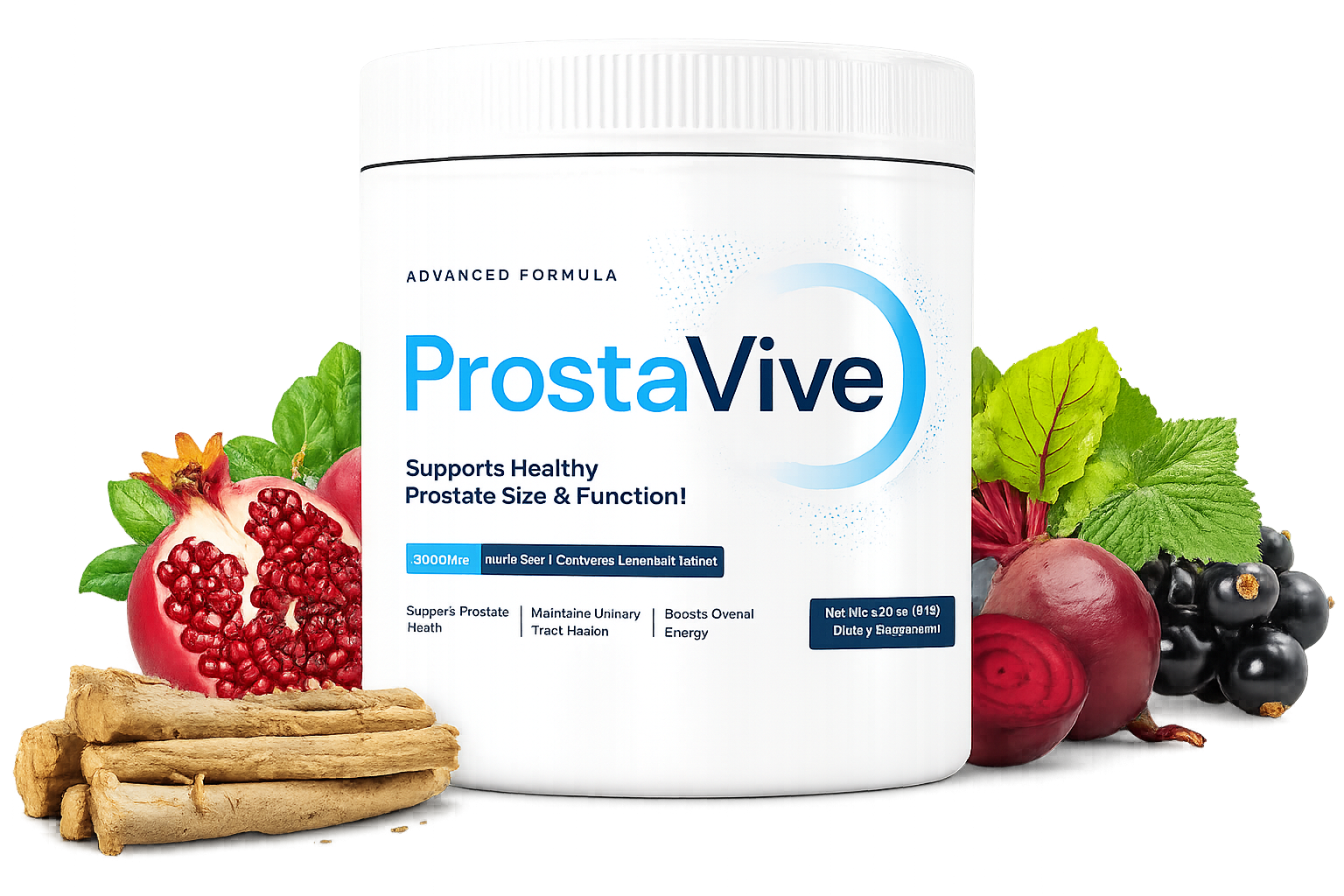
While diet and lifestyle form the foundation of prostate health, a targeted supplement can fill the nutritional gaps that even the most disciplined diet may miss. ProstaVive was formulated specifically to address the multiple pathways through which prostate health is supported.
ProstaVive combines 11 carefully chosen natural ingredients β each with their own evidence base β into a single, convenient daily powder. Rather than relying on a single compound, ProstaVive takes a multi-pathway approach: supporting hormone balance, reducing inflammation, boosting nitric oxide for healthy circulation, providing antioxidant protection, and supporting overall male vitality simultaneously.
This synergistic approach mirrors what the best science tells us about prostate health: it is not controlled by one factor, but by the interplay of hormones, circulation, inflammation, and cellular health. ProstaVive addresses all of these.