A science-backed, comprehensive guide to boron — how this powerful trace mineral supports testosterone balance, prostate protection, bone strength, cognitive function, and overall male vitality.
Boron is a naturally occurring trace mineral found in soil, water, and a wide variety of plant-based foods. While it is not classified as a dietary "essential" mineral in the same formal category as iron or calcium, a rapidly growing body of scientific evidence confirms that boron plays a meaningful and multifaceted role in human health — particularly for men.
Most people consume between 1 and 3 mg of boron daily through their diet, primarily from fruits, vegetables, and legumes. However, research shows that much of the modern population — particularly men eating a diet low in plant foods — may fall short of the amounts associated with measurable health benefits. This gap is where supplementation becomes relevant.
What makes boron genuinely fascinating for men's health is the breadth of its biological roles. It is not a single-purpose nutrient. Rather, boron participates in sex hormone metabolism (influencing both testosterone and estrogen levels), bone and joint health, brain function, anti-inflammatory pathways, and — particularly relevant for men — prostate health regulation. Understanding how boron works in the body can help men make better-informed decisions about their nutrition and supplementation.
In recent years, boron has become a featured ingredient in premium men's health formulas precisely because of this breadth. ProstaVive includes boron as one of its 11 key ingredients, recognizing its role in creating hormonal conditions favorable to prostate health and overall male vitality.
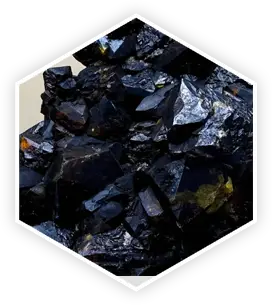
The scientific literature on boron has expanded considerably in recent years. Here are the most well-supported benefits specifically relevant to male health and wellness, drawn from peer-reviewed research and clinical observation.
Boron influences sex hormone–binding globulin (SHBG), the protein that binds and inactivates testosterone in the bloodstream. By modulating SHBG activity, boron helps maintain higher levels of free testosterone — the bioavailable form that the body can actually use to build muscle, support libido, maintain energy levels, and sustain bone density. A 2011 study by Naghii et al. found that healthy men taking 10 mg of boron daily for just one week saw free testosterone levels rise from an average of 11.83 pg/mL to 15.18 pg/mL — a meaningful 28% increase in just seven days.
In the same 2011 study, boron supplementation also caused estradiol (the primary estrogen in men) to drop from 42.33 pg/mL to 25.81 pg/mL over one week. This dual effect — raising free testosterone while lowering estradiol — is particularly significant for men. Excess estradiol in men is associated with fat accumulation (especially in the chest and belly), reduced libido, mood disturbances, and accelerated prostate growth. Boron helps restore a more favorable testosterone-to-estradiol ratio without the risks associated with pharmaceutical approaches.
Epidemiological research has found a striking inverse relationship between dietary boron intake and prostate cancer risk. A case-control study published in the journal Oncology Reports found that men in the highest quartile of dietary boron intake had a 64% lower risk of prostate cancer compared to those in the lowest quartile. In Turkey — a country where dietary boron intake is naturally higher due to boron-rich soil — studies show men have notably smaller prostate sizes and lower rates of prostate disease. Additional research suggests prostate size is inversely related to boron intake, meaning higher boron consumption is associated with a smaller, healthier prostate gland.
Chronic low-grade inflammation is an underlying driver of BPH (benign prostatic hyperplasia), prostate discomfort, joint pain, cardiovascular disease, and metabolic dysfunction. Boron has been shown in multiple studies to reduce pro-inflammatory cytokines — chemical messengers that signal the body to sustain an inflammatory state. A double-blind, placebo-controlled trial found significant reductions in C-reactive protein (CRP) and fibrinogen — two key markers of systemic inflammation — in participants taking 1.5 to 6 mg of boron daily for just two weeks. Lower inflammation directly supports both prostate health and overall male wellness.
Boron is essential for the metabolism of calcium, magnesium, and vitamin D — three nutrients that are foundational to bone density and joint health. Boron improves the body's ability to utilize these minerals effectively, reducing calcium loss through urine and supporting stronger, denser bones. Studies suggest that boron supplementation can reduce the risk of osteoporosis and may help manage osteoarthritis symptoms, with some clinical trials reporting reduced joint pain and improved mobility. As men age, maintaining bone mass becomes increasingly important for long-term independence and quality of life.
Research from the early 1990s at the USDA Human Nutrition Research Center demonstrated that boron supplementation (3.25 mg/day) improved cognitive performance in healthy adults — specifically improving response time, memory, manual dexterity, and mental alertness. These effects are believed to be related to boron's role in the metabolism of vitamin D (which supports brain function) and its influence on neurotransmitter activity. For men looking to maintain sharpness and mental performance as they age, boron represents an underappreciated cognitive support nutrient.
Boron plays a role in supporting the synthesis of ATP (adenosine triphosphate) — the primary energy currency of every cell in the body. By enhancing ATP availability, boron may contribute to better stamina, improved athletic performance, and reduced fatigue. This is consistent with the observations in clinical studies where men taking boron reported improved energy levels and vitality. While direct research specifically on boron and physical performance is still emerging, the mechanism is well-understood and biologically plausible.
One of boron's most practically important roles may be in optimizing the body's use of vitamin D. Vitamin D deficiency is epidemic in modern populations and is associated with poor prostate health, low testosterone, weakened immunity, and mood disorders. Research shows that boron helps convert vitamin D to its active form (1,25-dihydroxyvitamin D3) more efficiently, meaning that men with adequate boron levels may get significantly more benefit from whatever vitamin D they take in — whether from sunlight, food, or supplements.
The science of boron and men's health has been building for decades. Here are the landmark studies that have shaped our current understanding of this trace mineral's importance for male wellness.
Researchers at the USDA Human Nutrition Research Center established foundational evidence that boron supplementation at 3.25 mg/day improved cognitive performance in healthy adults, including better response times, improved memory, and enhanced psychomotor coordination. These early findings positioned boron as far more than just a trace mineral — it was a genuine cognitive nutrient.
A landmark case-control study (Cui et al.) found that men in the highest quartile of dietary boron intake had significantly lower risk of prostate cancer compared to men in the lowest quartile — a finding that has since been supported by epidemiological data from Turkey, where naturally high environmental boron levels correspond with better prostate health outcomes in the male population.
Eight healthy male volunteers took approximately 10 mg of boron daily for one week. Results showed a 28% increase in free testosterone (from 11.83 to 15.18 pg/mL) and a 39% decrease in estradiol (from 42.33 to 25.81 pg/mL). Inflammatory markers also decreased. This was the pivotal study that brought boron into the spotlight in men's health and sports nutrition communities.
Dr. Joseph Pizzorno published a comprehensive review summarizing the broad spectrum of boron's health benefits, establishing it as an underappreciated but physiologically important nutrient. The review confirmed boron's roles in bone health, cognitive function, hormone metabolism, inflammation regulation, and prostate health — calling for greater attention in mainstream medical practice.
Updated data from the NIH Office of Dietary Supplements compiled evidence showing that men consuming approximately 6 mg of boron per day had measurably smaller prostate glands compared to men consuming less than 1 mg daily, with no significant difference in PSA levels. This supports the role of boron in maintaining prostate size and health over the long term.
Testosterone is arguably the most important hormone for male health — influencing muscle mass, bone density, libido, energy, mood, and cognitive sharpness. As men age, both total and free testosterone naturally decline. Boron may play a supportive role in this important hormonal balance.
Most testosterone in the bloodstream is bound to proteins — primarily sex hormone-binding globulin (SHBG) and albumin. Bound testosterone is biologically inactive. Only "free" testosterone — typically just 1–3% of total testosterone — is available for the body to use at the cellular level. This free fraction is what drives muscle building, libido, energy, and cognitive function.
Boron appears to influence SHBG directly, reducing its binding affinity and allowing more free testosterone to circulate. This is why men with similar total testosterone levels can have dramatically different physiological effects based on their SHBG levels — and why maintaining the free testosterone fraction matters.
It is important to set realistic expectations: boron is not a pharmaceutical testosterone replacement and will not produce the dramatic effects of testosterone injections or gels. Rather, it helps optimize the hormonal environment within the body's natural parameters — making it an excellent long-term support strategy rather than a quick fix. Boron works particularly well in combination with other hormone-supporting nutrients, which is why ProstaVive includes it alongside Tongkat Ali, Ashwagandha, Fenugreek, and Zinc — each contributing to hormonal balance through complementary mechanisms.
The prostate gland is uniquely sensitive to hormonal environments. DHT (dihydrotestosterone), a potent form of testosterone, is a primary driver of prostate cell growth — which is why managing DHT and maintaining hormonal balance is central to prostate health strategies. Boron influences this through multiple pathways.
First, by modulating estrogen levels in men, boron may indirectly reduce the estrogen-driven growth of prostate tissue. Elevated estrogen in aging men is increasingly recognized as a significant contributor to BPH — and boron's estrogen-lowering effect makes it directly relevant here.
Second, boron's potent anti-inflammatory properties address another major driver of prostate issues. Inflammation within the prostate gland is implicated in BPH, prostatitis, and may contribute to more serious prostate conditions. By reducing inflammatory cytokines and C-reactive protein, boron helps create a less hospitable environment for prostate disease progression.
Third, the epidemiological evidence from high-boron regions (Turkey, parts of the United States) consistently shows that populations with higher dietary boron intake have better prostate health outcomes — smaller gland sizes, lower rates of prostate issues, and better urinary function. This population-level data, while not definitive causation, is an important signal that supports the mechanistic research.
Boron is found primarily in plant-based foods. The richest sources are fruits, vegetables, legumes, and nuts. Here is a comprehensive reference table to help you identify the best dietary sources and their approximate boron content.
| Food | Serving Size | Approx. Boron Content | Category |
|---|---|---|---|
| Avocado | 1 medium (150g) | ~1.7 mg | Fruit |
| Raisins | ¼ cup (35g) | ~1.5 mg | Dried Fruit |
| Prunes (dried) | ¼ cup (35g) | ~1.0 mg | Dried Fruit |
| Almonds | 1 oz (28g) | ~0.9 mg | Nuts |
| Peanuts | 1 oz (28g) | ~0.5 mg | Legume/Nut |
| Walnuts | 1 oz (28g) | ~0.5 mg | Nuts |
| Red kidney beans | ½ cup cooked | ~0.7 mg | Legumes |
| Chickpeas (cooked) | ½ cup | ~0.6 mg | Legumes |
| Apples | 1 medium | ~0.6 mg | Fruit |
| Pears | 1 medium | ~0.5 mg | Fruit |
| Apricots | 4 medium | ~0.5 mg | Fruit |
| Broccoli (cooked) | ½ cup | ~0.4 mg | Vegetable |
| Grapes | ½ cup | ~0.4 mg | Fruit |
| Potatoes (baked) | 1 medium | ~0.3 mg | Vegetable |
| Orange juice | 1 cup (240ml) | ~0.2 mg | Beverage |
There is no officially established Recommended Dietary Allowance (RDA) for boron, as it has not been formally classified as an essential nutrient. However, research has identified effective and safe dosage ranges based on clinical studies.
The typical dietary intake from food in Western countries is 1–3 mg/day. This is considered the baseline — adequate to avoid deficiency symptoms but likely below the threshold for optimal hormonal and prostate-related benefits identified in research.
Most positive studies have used doses of 3 to 10 mg/day. A commonly cited effective and safe target for men seeking hormonal and prostate support is 6 mg/day. This is the dose associated with measurable improvements in free testosterone, estradiol levels, and inflammatory markers in human studies.
The European Food Safety Authority (EFSA) has established a Tolerable Upper Intake Level (UL) of 10 mg/day for adults. Exceeding this consistently may cause adverse effects. Most quality supplements are formulated to stay well within this safe range.
Boron is available in several forms in supplements, including boron glycinate, boron citrate, borax (sodium tetraborate), and calcium fructoborate. Calcium fructoborate is a naturally occurring plant-form of boron and has been used in several positive clinical trials for anti-inflammatory effects and joint health. Organic forms are generally considered more bioavailable.
Boron has a well-established safety profile when consumed in the dosage ranges used in clinical research. Here is a practical overview of safety considerations for men considering boron supplementation.
ProstaVive doesn't rely on boron alone — it combines boron with 10 other targeted ingredients, each selected to address a different aspect of prostate health and male vitality. This synergistic approach amplifies the benefits of each individual ingredient.
Boron's ability to raise free testosterone, lower excess estradiol, reduce systemic inflammation, and support prostate tissue health makes it a natural fit in a comprehensive prostate supplement. ProstaVive's formula pairs boron with complementary ingredients that address the same biological pathways — creating a more powerful combined effect than any single ingredient can achieve alone.
For example, boron's effect on testosterone is complemented by Tongkat Ali (which also raises free T and reduces SHBG) and Fenugreek (which supports testosterone production). Boron's anti-inflammatory effects are reinforced by Ashwagandha and Artichoke Extract. And boron's role in vitamin D optimization works in synergy with the actual Vitamin D3 included in the formula.